
 By Tag Clar Editorial
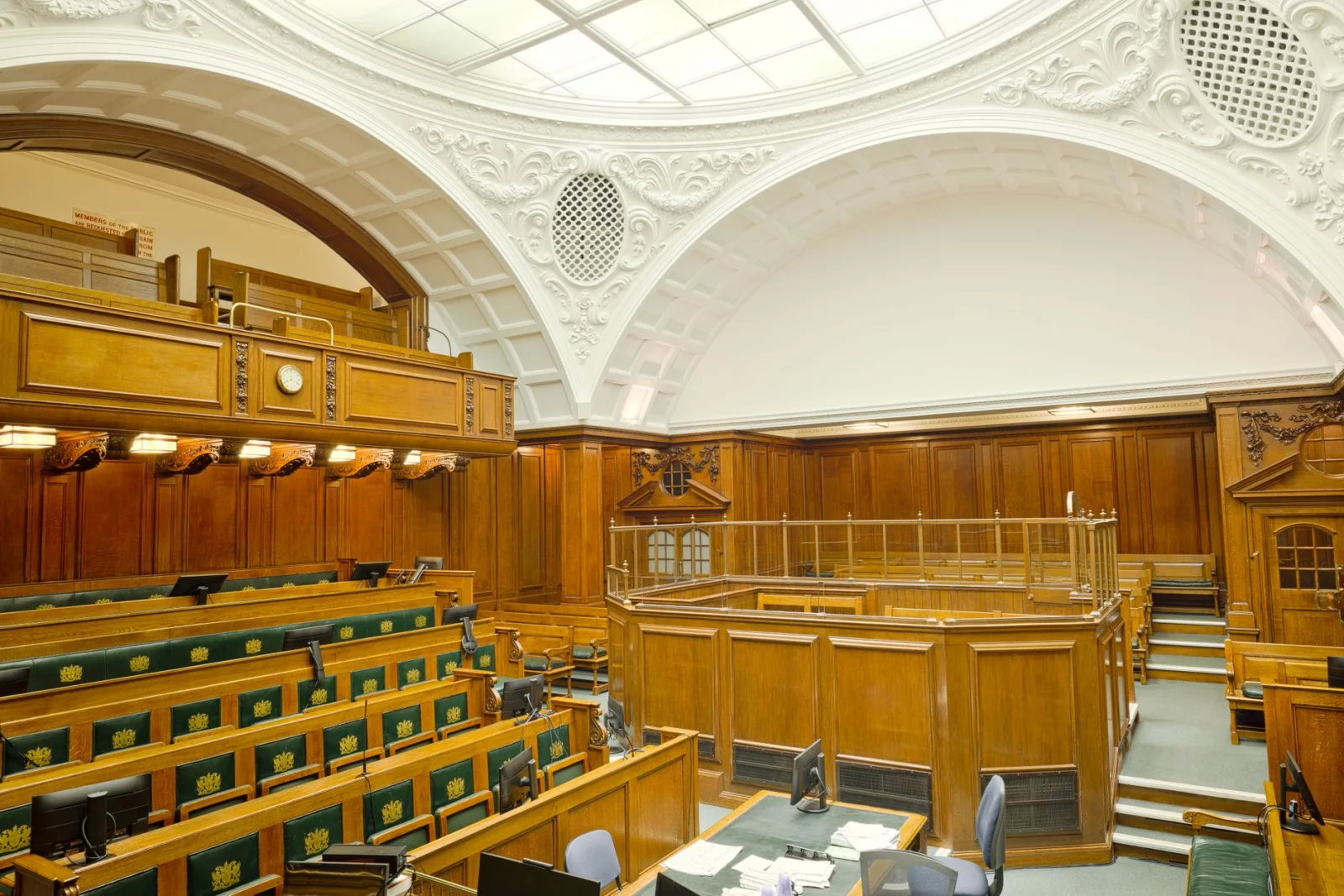
In recent years, the judicial system has faced a serious challenge: the increasing number of cases and pressure on courts. As a result, new approaches have emerged to alleviate this burden and facilitate judicial processes. One of these approaches is the use of informal arbitrations, which have been gaining attention.
Informal Arbitrations; A Solution or a Risk?
The role of courts as formal institutions for resolving disputes has traditionally been seen as the last hope for achieving justice. However, now, with the rise in cases, informal arbitrations have emerged as a significant option. These arbitrations, which are primarily conducted by non-specialists, can help resolve issues quickly and at a low cost.
However, serious questions arise regarding the quality and fairness of these arbitrations. Can we really trust these methods to deliver fair outcomes? Are individuals' fundamental rights overlooked in this process? Studies indicate that in some cases, informal arbitrations can lead to results that are not only unfair but may also exacerbate further conflicts.
Given these challenges, there is a need to reconsider the use of these methods and establish clear standards to ensure their quality and fairness. Can the judicial system adapt to these changes while preserving legal truths? This is a question that currently occupies the minds of many legal experts.