
Background and History of FC Nürnberg
Football Club Nürnberg, commonly known as FC Nürnberg, is one of the oldest and most renowned clubs in Germany, with a history full of honors and challenges. The club was founded in 1900 and quickly became recognized as one of the top powers in German football. With ten Bundesliga championships to its name, Nürnberg is considered one of the most successful clubs in Germany. However, in recent years, the team has faced numerous challenges in management and technical aspects.
One of the main reasons for Nürnberg's decline in recent years has been the constant changes in the coaching and management staff. These changes have not only caused instability within the team but have also negatively impacted the players' performance. For instance, over the past decade, Nürnberg has changed its head coach multiple times, which has always been accompanied by instability in results. This lack of stability in the coaching staff has made it difficult for players to fully adapt to the philosophy and playing style of the new coach, directly affecting the team's performance in competitions.
Alongside these issues, financial problems also pose a significant challenge for FC Nürnberg. The club has faced considerable financial difficulties in recent years, impacting its ability to attract high-quality players. A decline in the club's revenues from sponsorship and ticket sales, coupled with rising operational costs, has placed additional financial pressure on Nürnberg. This situation has made it challenging for the club to compete easily with the top teams in the Bundesliga and has often led to struggles for survival in the league.
Changes in the league structure and increased competition have also added to Nürnberg's challenges. With the emergence of new teams and significant investments in other clubs, Nürnberg must compete with teams that have far better financial and technical resources. This intense competition has made it necessary for Nürnberg to adopt more serious and effective strategies to maintain its position in the Bundesliga.
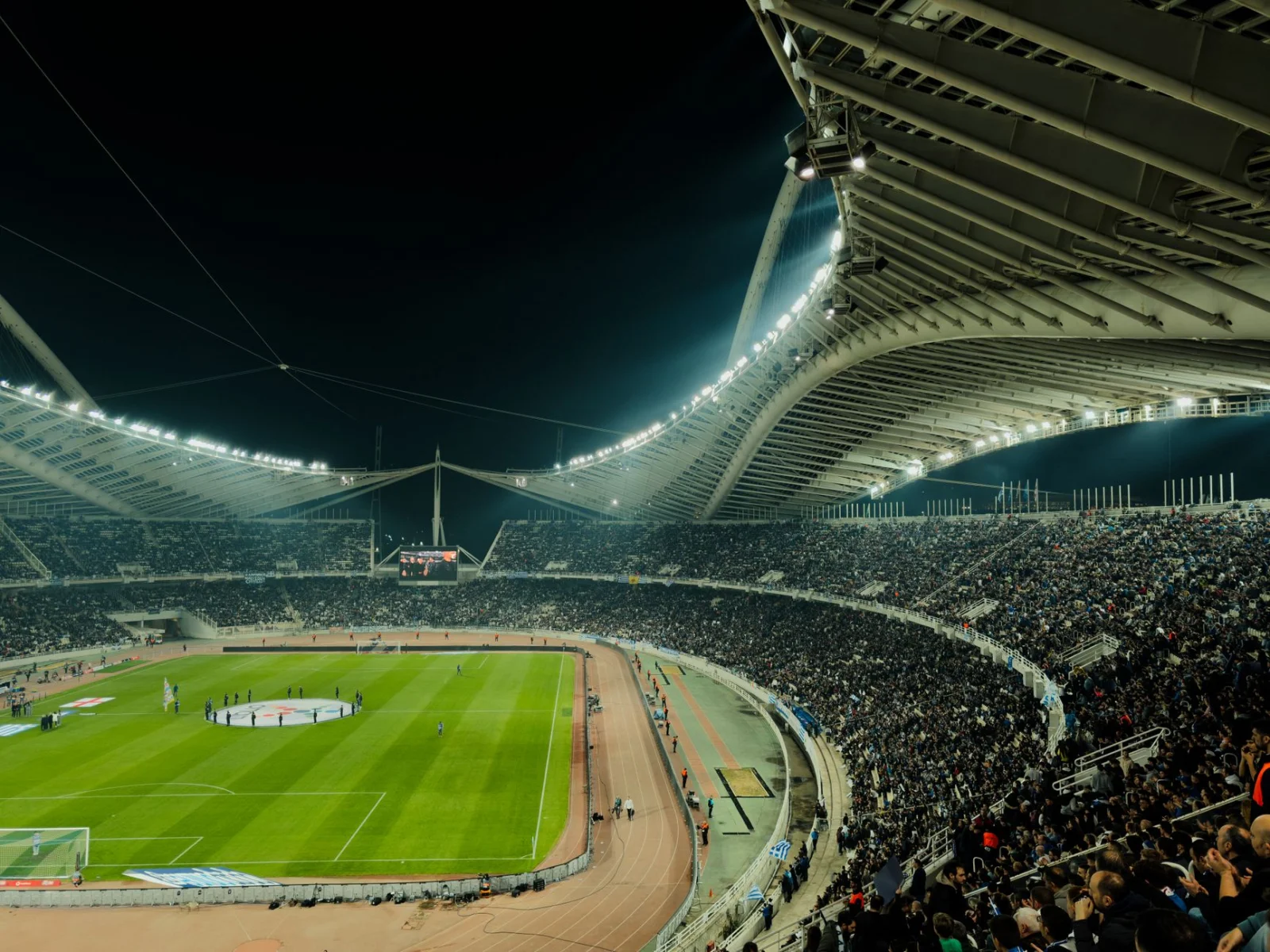
One positive aspect of FC Nürnberg is its strong and loyal fan base. Nürnberg fans are consistently recognized as some of the most passionate and loyal supporters in Germany. This widespread support from fans provides additional motivation for players and the coaching staff to improve performance and return to the club's glory days. However, the high expectations of the fans can also place significant psychological pressure on the team, especially when expected results are not achieved.
In this context, the appointment of Klinsmann as the new head coach has been one of the recent and significant developments in the club. Klinsmann, with his experience and technical knowledge, is striving to stabilize Nürnberg by restructuring the team's defense and improving tactics. By utilizing talented youth and making changes to the playing system, he aims to create a competitive and cohesive team. These changes will not only help improve the team's defensive performance but also allow Nürnberg to enter the field with new strategies and compete against strong Bundesliga rivals.
Overall, FC Nürnberg is undergoing a challenging transition that requires strategic decision-making and fundamental changes. The club's management must seek solutions to financial and technical problems with wisdom and careful planning while maintaining a strong connection with its fans and considering their expectations. The future of Nürnberg depends on their ability to face these challenges and successfully implement new programs.
Social, Political, and Economic Dimensions of FC Nürnberg's Challenges
FC Nürnberg, with its rich history in German football, is recognized not only as a sports entity but also as an important social element in the city of Nürnberg and beyond. Recent changes in the club, including shifts in coaching and management, have impacts that extend beyond the playing field and must be carefully examined.
Socially, FC Nürnberg has always acted as a bridge between different generations of fans. The club contributes to the closeness and solidarity of the local community not only on match days but also throughout the week with various cultural and social activities. Changes in the team's structure and match results can have direct effects on the morale and social interactions of fans. Since football is considered part of the cultural identity in Germany, especially in cities like Nürnberg, any fluctuations in the club's performance can lead to changes in community sentiments.
From a political perspective, football clubs in Germany are often used as tools for cultural and social diplomacy. FC Nürnberg is no exception and has been recognized over the years as a symbol of resistance and social solidarity. Management changes and strategic decisions within the club can elicit various reactions from local and even national political entities. Specifically, the club's policies regarding youth development and the use of local players can send important political messages regarding support for local talents and sustainable development.
Economically, FC Nürnberg faces multiple challenges. The Bundesliga, as one of the most prestigious football leagues in the world, requires significant investments in infrastructure and players. Clubs like FC Nürnberg, which are seeking to rebuild and enhance competitiveness, must carefully manage their financial resources. Adequate financing is essential not only for acquiring quality players but also for developing sports infrastructure and improving the training and education of young players.
Moreover, participation in the Bundesliga comes with numerous economic opportunities, including increased revenues from television, sponsorship, and ticket sales. However, effectively capitalizing on these opportunities requires careful planning and smart marketing strategies. In a league where clubs with more history and financial power are present, FC Nürnberg must maintain its position in this tight competition through innovation and creativity.
Ultimately, it should be noted that the success or failure of FC Nürnberg is not limited to sports performance. The broader impacts of these changes on society, politics, and the economy reflect the multifaceted and complex role of football clubs in today's world. Therefore, managing these changes with precision and sensitivity can not only help improve the club's current situation but also stabilize its position as an influential entity in the community.
Technical and Tactical Analysis of Changes in the Team
The recent developments at FC Nürnberg clearly demonstrate Klauß's efforts to structurally and strategically rebuild the team. Major changes in the squad and team tactics are not only aimed at enhancing on-field performance but also at improving coordination among players. These changes are intended to create a balance between defense and attack, with Klauß seeking an effective combination that can withstand the pressures of the Bundesliga.
One of the most significant changes has occurred in the defensive line, where Klauß has introduced a new defensive system that includes four central defenders and two wing players, aiming to reduce the team's defensive vulnerabilities. This change not only helps strengthen the defensive structure but also allows players to participate in the attacking phase with greater confidence. However, the success of this system largely depends on the coordination among defenders and their ability to execute tactical instructions.
In midfield, Klauß aims to increase the speed and accuracy of ball transitions. By utilizing midfielders who possess playmaking abilities as well as strong defensive skills, Klauß seeks to create a link between defense and attack. Changes in this line include the use of young and energetic players who can enhance the team’s counter-attacks with high speed and quick decision-making. This strategy is directly designed to adapt to the speed and strength of opposing teams in the Bundesliga.
In the attacking section, we also witness changes aimed at increasing efficiency and productivity in scoring goals. Klauß is trying to put pressure on opponents' defenses by altering the composition of attackers and employing diverse attacking tactics. He focuses on utilizing open spaces and leveraging off-the-ball movements to create more scoring opportunities for the team. These changes require close cooperation between attackers and midfielders to ensure the flow of the game benefits the team.
Ultimately, all these tactical changes must be accompanied by a focus on the physical and mental training of the players. Klauß emphasizes the importance of physical and psychological readiness, arranging intensive training programs for the players. He believes that only with complete preparedness can optimal results be achieved and the created opportunities be fully utilized.
Overall, the tactical and technical changes at FC Nürnberg indicate that Klauß is implementing a comprehensive and balanced approach that considers all aspects of the game. Although there is still a long way to go, these changes reflect Klauß's commitment to improving the team's situation and striving to achieve the club's long-term goals. The success or failure of these strategies largely depends on the players' ability to accept and execute them, and this will be the main challenge facing Klauß this season.
Consequences and Future Prospects of FC Nürnberg
The recent developments at FC Nürnberg, especially with Klauß's arrival as head coach and fundamental changes in the team composition, are not limited to technical and tactical issues; they also leave broader impacts that deserve careful analysis and examination. These changes will not only affect the team's performance in the Bundesliga but may also have significant social and economic consequences.
From a technical perspective, Klauß is focusing on improving the team's defensive structure, aiming to address the clear weaknesses of FC Nürnberg that have hindered their serious competition at the top of the table in past seasons. This approach could lead to a reduction in the number of goals conceded and an increase in the team's confidence in upcoming matches. Improving defensive performance, as the cornerstone of any successful team, can pave the way for further advancements in other areas of the field.
Changes in composition and strategy, of course, come with challenges. Coordination among new and old players requires time and continuous effort. Additionally, adapting to the new playing style that Klauß seeks to implement may lead to unpredictable results in the short term. However, if these changes are well managed, they have the potential to create a positive transformation in the overall performance of the team.
The economic impacts of these developments should not be overlooked. Success in the Bundesliga could lead to increased revenues for the club through attracting new sponsors, selling more tickets, and increasing the value of broadcasting rights. Given the economic importance of football in Germany, improving FC Nürnberg's performance could have a direct impact on the local economy, particularly in creating new job opportunities and increasing financial turnover in the region.
From a social perspective, football in Germany goes beyond a simple sport and plays an important role as a cultural and social phenomenon. The success of FC Nürnberg could enhance the spirit and solidarity among fans and the local community. In a situation where football acts as a meeting point for culture and sport, good team performance can serve as a unifying and inspiring factor for youth and society.
Looking to the future, the prospects of FC Nürnberg hinge on the ability of management and the coaching staff to maintain and strengthen player motivation and create a cohesive team identity. Additionally, investing in infrastructure development and nurturing young talents can ensure sustainable success in the future. Close cooperation with youth academies and the use of modern technologies in training and game analysis are among the actions that can help achieve these goals.
Ultimately, the success of FC Nürnberg depends not only on the players' performance on the field but also on the continuous support of fans and the local community. Establishing a two-way and sustainable relationship between the club and its supporters, through participatory programs and social interactions, can strengthen this bond and create a solid foundation for future successes. In this journey, FC Nürnberg needs patience and comprehensive support to achieve its long-term goals and secure a deserving place in German football.