Background and Context
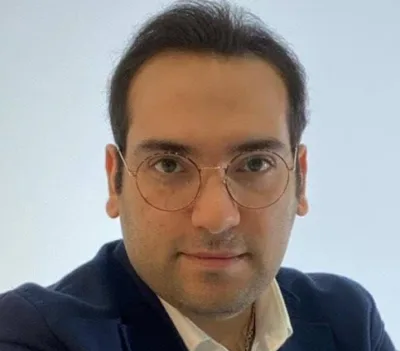
As we approach the final of the 2026 World Cup, the selection of the referee for this important match is always in the spotlight of football fans and experts. In this edition of the World Cup, Slovenian referee, Slavko Vincic, has been chosen as the referee for the final. This selection has drawn attention not only because of his experience and skill in officiating but also due to his background and standing in the world of football.
Slavko Vincic is an experienced and seasoned referee who has officiated in many important football matches, including the UEFA Champions League and the UEFA European Championship. By officiating in significant and sensitive matches, he has established himself as a reputable and reliable referee among his peers. His selection to referee the 2026 World Cup final reflects FIFA's confidence in his abilities and experience in this field.
However, the selection of a referee for the World Cup final is not limited to just experience and skill. Other factors such as the referee's nationality, their experience in officiating international matches, and the political and sports relations between the involved countries can also influence this choice. In the case of Slavko Vincic, his nationality as a Slovenian referee may play a role in his selection for officiating the 2026 World Cup final.
The 2026 World Cup is one of the most significant sporting events in the world, featuring national teams from across the globe. The selection of a referee for this match should be based on criteria such as experience, skill, and impartiality. In this context, the choice of Slavko Vincic as the final referee demonstrates FIFA's efforts to select referees who not only have experience and expertise in officiating football matches but can also manage the game impartially and fairly.
In the continuation of this article, we will explore various dimensions and implications of the selection of Slavko Vincic as the referee for the 2026 World Cup final. From analyzing his experience and skills in officiating to the political and sports impacts of this selection, we will cover all aspects. With this aim, by the end of this article, we hope to provide a comprehensive understanding of this significant event in the world of football.
Various Dimensions: Social, Political, Economic, and Cultural
The presence of referees in the World Cup final has always been accompanied by extensive dimensions in social, political, economic, and cultural fields. The selection of German referee Slavko Vincic for the 2026 final is no exception and may have multiple impacts in these areas.
From a social perspective, having a German referee in such an important event can be seen as a sign of the capability for interaction and international cooperation. Germany, a country with a strong background in football and officiating, has always played a significant role in developing and reinforcing the principles of fair play. Vincic's presence in this final could enhance the status of German referees and increase trust in the international officiating system. This point is particularly important in a society where sports are viewed as a tool for solidarity and strengthening intercultural communications.
On the political front, the selection of referees for major competitions has always been accompanied by specific sensitivities. In this case, choosing a German referee can be seen as a messenger of stable and friendly relations between countries. Germany, as one of the leading countries in the European Union, by selecting a representative from itself for this event, can strengthen its influence and soft power in the international arena. This choice may be interpreted as a sign of trust in the German officiating system and can help strengthen diplomatic relations between countries.
From an economic standpoint, the World Cup is one of the largest sporting events in the world, bringing extensive economic impacts. The presence of a German referee in the final can act as a factor for increasing media attention and related advertising for this country. German brands and companies involved in the football industry can leverage this opportunity for advertising and increasing sales of their products. This could lead to strengthening Germany's domestic economy and increasing revenues from the export of sports products from this country.
The cultural aspect of this selection should not be overlooked. Officiating at an international level requires awareness and respect for the cultural differences among teams and players. Vincic, as a representative of a country known for its blend of different cultures, can help manage the games better by understanding and accepting these differences. Furthermore, his presence can promote and strengthen German football culture on a global scale. This can lead to increased popularity of German football and encourage youth from other countries to learn and embrace the sports culture of this country.
Overall, the presence of German referee Slavko Vincic in the 2026 World Cup final is significant not only from a technical and sporting perspective but is also accompanied by extensive social, political, economic, and cultural dimensions. This selection can be seen as a symbol of international interaction and cooperation, strengthening diplomatic relations, and enhancing Germany's soft power. Additionally, it can create new economic opportunities for this country and help promote German football culture on a global scale. Ultimately, this event highlights the importance and complexity of the role of referees in shaping international relations and the extensive social and cultural impacts of sports.
Expert and Specialist Analyses
FIFA's decision to select German referee, Slavko Vincic, as the judge for the 2026 World Cup final has sparked numerous reactions. On one hand, refereeing experts view this choice as a sign of confidence in the German refereeing system and Vincic's high efficiency, while others point to potential challenges and pressures he may face.
One of the highlights in these experts' analyses is Vincic's extensive experience in international competitions. With a background in officiating the UEFA Champions League and major national tournaments, he is recognized as one of the stable and controversy-free referees. These characteristics have made him a reliable figure in the international refereeing arena.
In an interview with "David Ellison," one of the prominent refereeing experts, he emphasizes the importance of Vincic's international experience: "Having experience in high-pressure matches, the ability to manage critical situations, and maintaining calm in sensitive moments are key traits of a successful referee. Vincic has shown over the years that he can display these qualities exceptionally well."
However, some analysts also mention the cultural and linguistic challenges that Vincic may face. "Markus Hoffman," a German football analyst, believes: "Although Vincic is fluent in several languages, a precise understanding of the cultural and linguistic nuances of different teams and fans can significantly impact the flow of the game. However, there is no doubt that he can manage these challenges with an experienced officiating team."
Another aspect raised in the analyses is the use of modern technologies in officiating matches. Vincic has demonstrated his ability to effectively utilize new technologies like VAR in recent years. "Julia Stone," a sports technology analyst, states: "Modern referees must keep up with new technologies, and Vincic is very much ahead in this regard. He has repeatedly shown how he can use these tools to improve the accuracy and quality of officiating."
Moreover, Vincic's selection as the World Cup final referee has broader implications. "Peter Collins," a professor of sports sociology, believes that this choice can help enhance the credibility of refereeing on a global scale. He says: "Trust in referees from countries with a strong refereeing history can help improve the public image of officiating and reduce related protests and controversies."
Ultimately, experts believe that Vincic, given his abilities and experiences, can handle this significant responsibility well. "Ana Martinez," a sports psychology expert, points out: "The ability to manage pressure and focus on the game are key traits of Vincic. He has shown that he can cope with the psychological and social pressures of this major match and make the right decisions."
Overall, the analyses presented indicate that the selection of Slavko Vincic as the referee for the 2026 World Cup final, considering his experience and skills, is a logical and prudent decision. This choice can not only help improve the quality of officiating in this major event but also have positive implications for the future of refereeing on an international level.
Implications and Future Outlook
The presence of a German referee like Slavko Vincic in the 2026 World Cup final is a significant event in the world of football. This selection not only reflects the credibility and trust of the International Football Federation in German referees but also represents the high standards of officiating in this country. German referees have always been renowned for their accuracy, impartiality, and ability to manage high-pressure games. Vincic's selection could serve as an inspiration for new generations of referees in Germany to strive for the highest level in the international arena.
On the other hand, this choice could have positive effects on the German refereeing system. Given that Vincic has reached this level of success, the German Football Federation may reconsider and improve its training and development methods to cultivate referees with similar capabilities. This could strengthen the credibility and position of German officiating on a global scale and lead to more referees from this country being employed in important international competitions.
However, the presence of a German referee in the World Cup final could also have broader implications that extend beyond Germany's borders. On one hand, this selection could serve as a model for other countries looking to enhance their officiating standards. Countries seeking to strengthen their refereeing systems may look to the successes of German referees and examine and adopt German methods in referee training. This could lead to an elevation of officiating standards worldwide and ultimately benefit football as a global sport.
On the other hand, Vincic, as a representative of European officiating, can symbolically represent the interaction and cultural exchange among nations. In today's world, where football is recognized as a common language for people across the globe, the presence of referees from different countries in major events can help strengthen solidarity and international understanding. This can lead to a reduction in tensions and an increase in friendship and cooperation among countries.
Looking ahead, the future of officiating in global football may also be influenced by this event. With advancements in technology and the introduction of technologies like VAR (Video Assistant Referee), the role and position of referees on the field are changing. Future referees must not only master the rules and manage the game but also possess the ability to utilize new technologies. The presence of referees like Vincic, who can combine traditional skills with technical knowledge, can serve as a model for future referees and contribute to the advancement of this field.
Ultimately, the presence of a German referee in the 2026 World Cup final could be considered a turning point in the history of football officiating. This event not only demonstrates the strength and credibility of German officiating but also provides an opportunity to examine and analyze the future outlook of officiating in global football. Given the rapid changes in the world of football and the increasing role of technology, future referees must be trained to keep pace with these changes and achieve greater successes on an international level. This requires international cooperation and interaction and the utilization of the experiences and successes of referees like Vincic to achieve a brighter and more fruitful future in football officiating.