 By Tag Clar Editorial
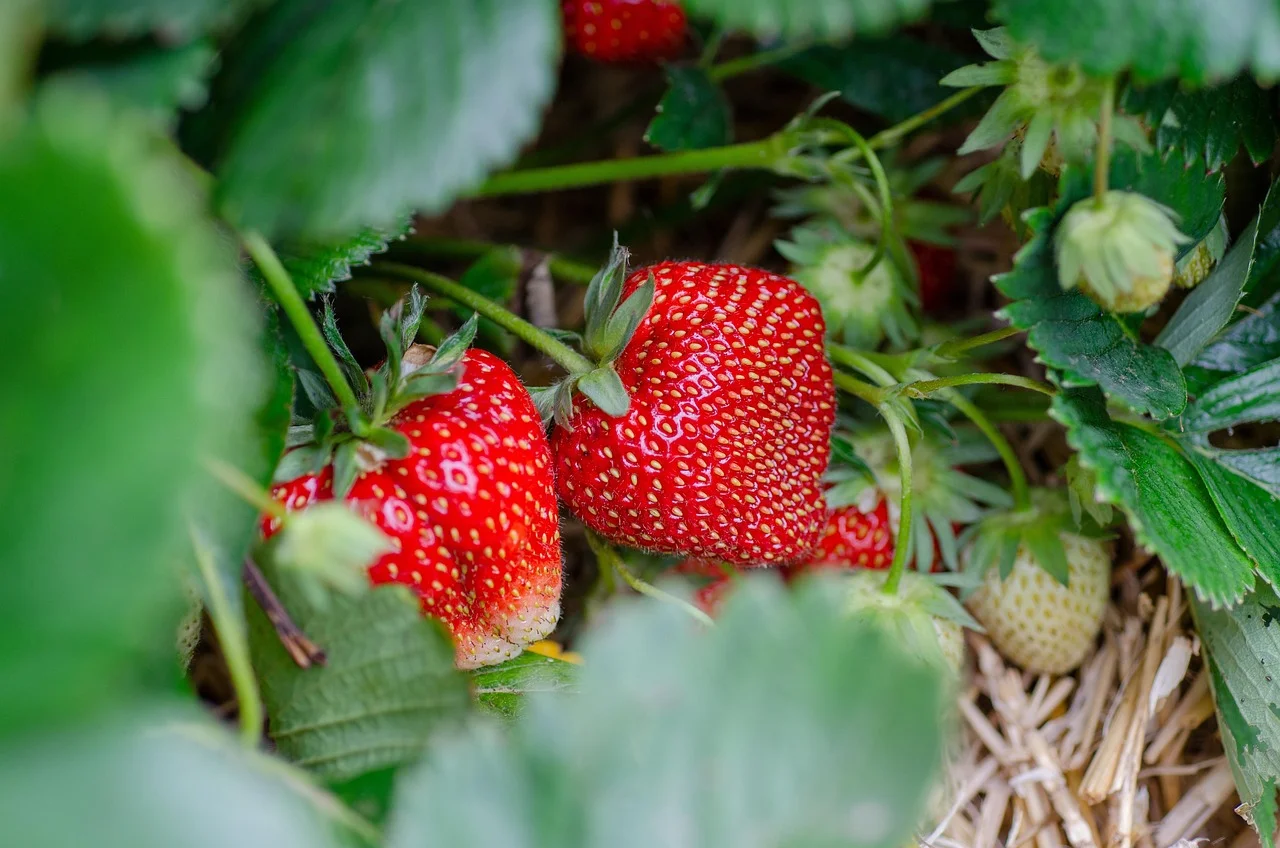
Fake strawberries, which originally hail from Southeast Asia, are increasingly present in gardens and the edges of forests in Germany. These herbaceous plants, ranging from 10 to 30 centimeters in height, can easily be mistaken for local wild strawberries. Particularly, given the visual similarity between these two types of plants, distinguishing them can be challenging for gardeners and plant enthusiasts.
Distinguishing Fake Strawberries from Real Ones
At first glance, fake and real strawberries have many similarities: both grow low to the ground and have small red fruits. However, upon closer inspection of the flowers and fruit, differences can be identified. For instance, if you observe a plant with yellow flowers and red fruits on upright stems, you are likely facing a fake strawberry.
The good news is that fake strawberries are not toxic, and if someone accidentally eats one, there is no need to worry about health consequences. However, it is still recommended to avoid consuming large amounts of these fruits, as they may cause laxative effects in high quantities.