
 By Tag Clar Editorial
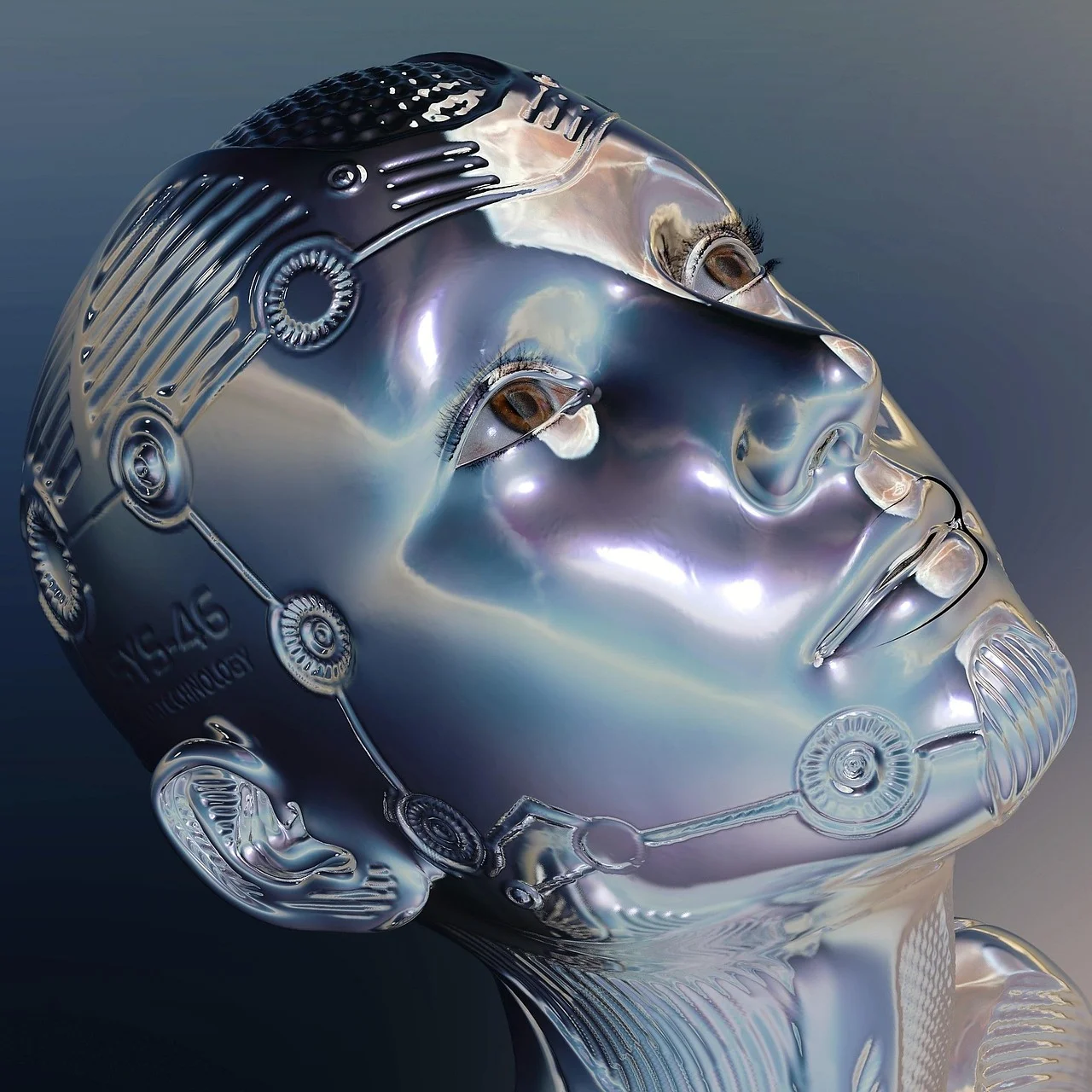
In today's world, the emergence of artificial intelligence, especially in the field of higher education, has sparked heated and controversial discussions. Recently, the establishment of an artificial intelligence system in universities has raised questions and challenges regarding the quality of education and student learning. The boundary between learning and the use of technology is rapidly becoming blurred.
Is Artificial Intelligence a Threat to the Future of Education?
Some professors and researchers are concerned that students will turn to using artificial intelligence tools instead of acquiring essential skills. This concern particularly increases when students settle for editing and using texts generated by artificial intelligence rather than producing original content. This issue is clearly seen in some undergraduate theses that present only soulless and repetitive texts instead of creative content.
In this context, many questions arise: Will this trend lead to a decrease in the quality of education? Will students become dependent on technology? And should universities seek solutions to manage these challenges?
These challenges are especially significant at a time when attention to technology and innovation is increasing. To achieve a balance between the use of artificial intelligence and real learning, there is a need for new measures and strategies in the educational system.