
 By Tag Clar Editorial
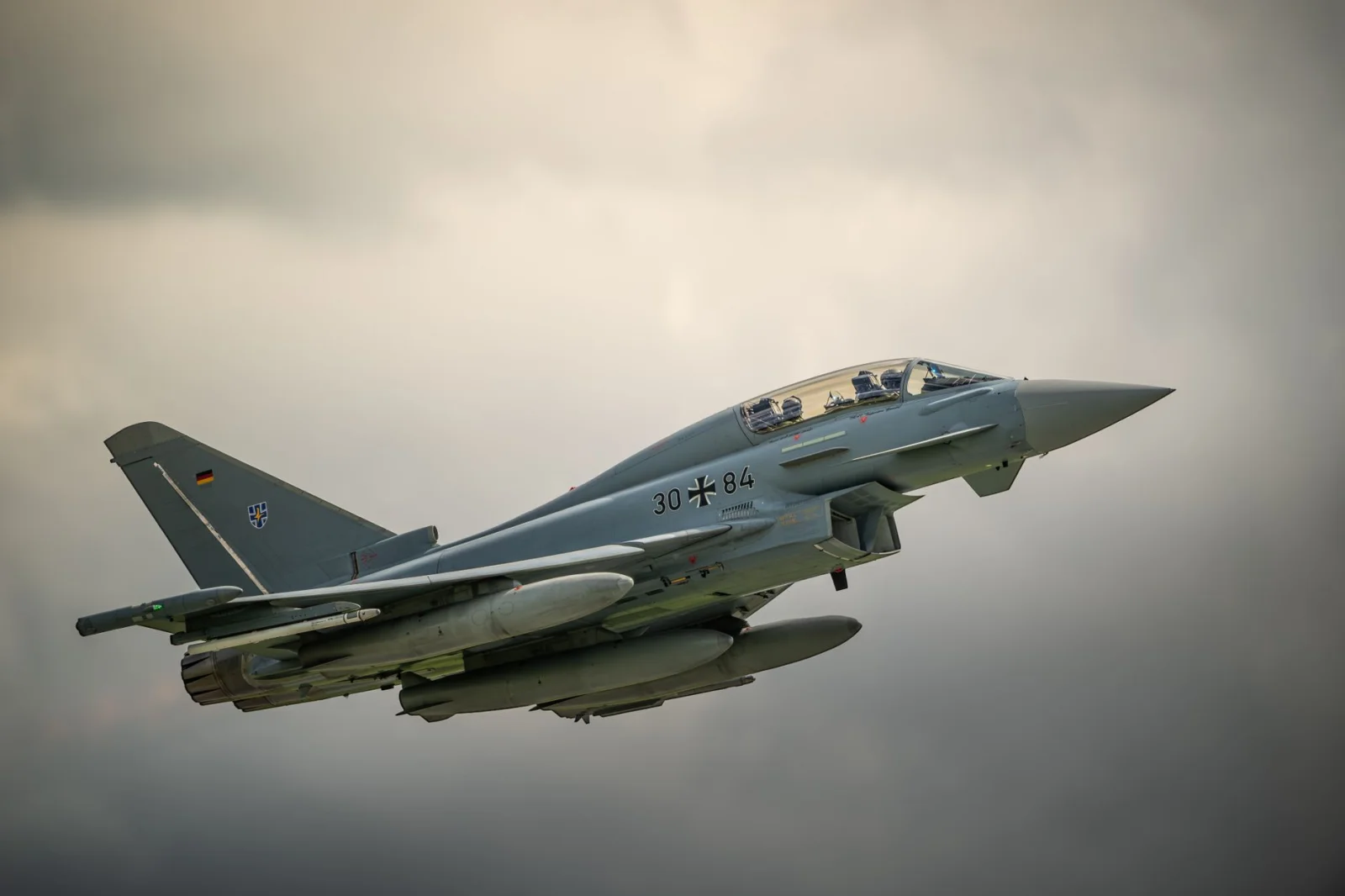
During the Cold War in the 1960s, NATO strategists concluded in their assessments that if tensions escalated into a hot war, all major airports in Germany would be quickly destroyed. Therefore, the need to develop fighter jets that could operate without the need for runways was strongly felt.
Innovation and Failure
The engineers of the time were in search of new technologies that were still in their infancy. These efforts led to the creation of astonishing designs that years later went into mass production; such as supersonic fighters like the Lockheed Martin F-35 and transport aircraft that could take off and land vertically, like the Bell-Boeing V22 Osprey, which was a hybrid of a helicopter and an airplane.
However, the prototypes developed in Germany, including those made by companies such as Heinkel, Focke-Wulf, and Messerschmitt, never managed to reach mass production. By the mid-1960s, NATO reduced its interest in vertical takeoff fighters, and related projects were quickly halted. These prototypes were transferred to museums and remained as mementos of failed innovations.